Insights
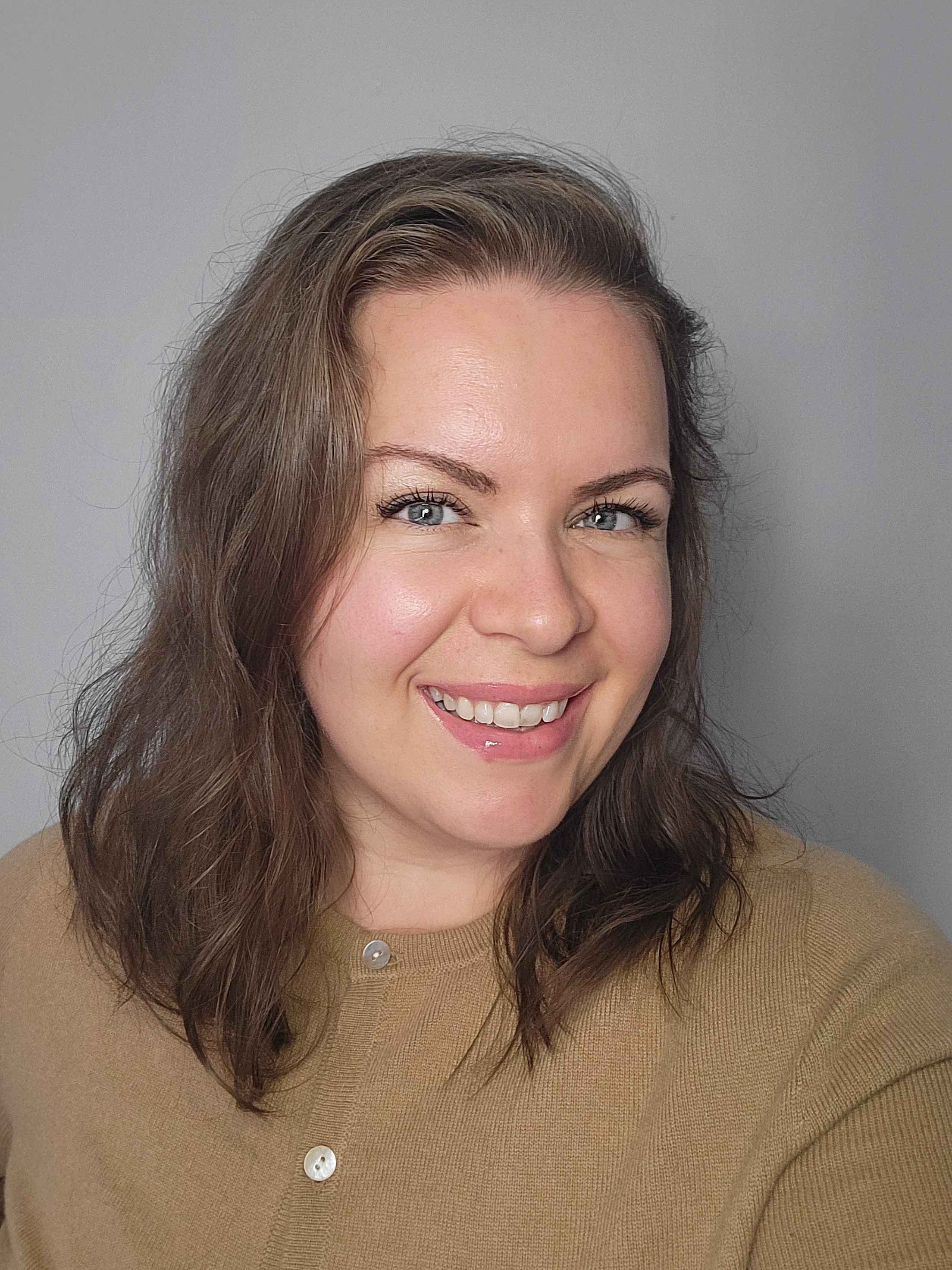
Laura Vasquez Bass, PhD
Jun 2, 2026
There's a particular kind of terror that accompanies submitting your first academic article for publication. You've spent months, or perhaps years, immersed in a research question that feels, to you, genuinely urgent. And then you release it into the world, hoping someone else will see what you see. For PhD students and early career researchers, this is an exercise in intellectual courage as well as professional necessity. In most disciplines, a publication record is the price of entry to the academic job market. Without it, even the most brilliant dissertation turned book proposal will fail to land you a research-track job.
But here's the thing nobody tells you clearly enough at the start: publishing your first article is learnable. There is a process from the idea phase right through to the revision and final submission stage that if followed can make publishing your first article an efficient and logical process (like progressing from A to B to C). Let's explore it
Part One: Writing the Paper
Identify the gap—but stay grounded
Every publishable article needs to intervene in a conversation that's already happening. The goal isn't to do something no one has ever done before (though that would be lovely); it's to do something that moves an existing conversation forward in a meaningful way. The question to ask yourself is simple but hard to answer: what is missing from this field that I can actually contribute? (And equally importantly, am I interested in making this contribution?)
Before you get too attached to a lofty premise, I'd encourage you to be honest with yourself about what you can realistically contribute at this stage of your career and your life. You don't need to write the article that overturns the field. You need to write an article that makes a credible, well-evidenced argument that adds something—a new case study, a new theoretical lens, a new finding—to an existing body of scholarship.
Work with what you already have
This is the most practical advice I can give you: don't start from scratch if you don't have to. Conference papers and seminar papers are enormously underutilized as the raw material for journal articles. You've already identified an argument, engaged with your sources, and, critically, already received some form of feedback. All you need to do now is rework that material with a journal audience in mind—which frequently means expanding the article, refining the argument on the basis of feedback you've already received, and attending to the conventions of scholarly writing in your field.
Think of a conference or seminar paper as a first draft in disguise. The bones are there. Now you need to put the walls up.
Be strategic about what you choose to develop
If you've ever received encouraging feedback from a senior colleague, a committee member, or a professor whose work you admire—feedback that told you an idea was worth pursuing—that is the idea to develop. External validation from someone who knows the field is a signal worth paying attention to. It means your idea is legible to the people who will eventually be evaluating it. It means you've already done some of the work of making your argument make sense to an expert reader.
This is both a sensible and smart approach to choosing a topic. Starting from scratch with something new is time-consuming and more risky than re-working an established idea that has already received expert feedback. For your first publication, start with the strongest possible foundation.
Part Two: Pick the Right Journal and Follow Their Instructions Exactly
This step is less glamorous than the intellectual work of writing, but it is equally important. I cannot stress this enough: read the journal's submission guidelines and follow them to the letter. The citation style, the word count, the formatting requirements, the way figures or tables should be labelled—all of it. Editors receive dozens of submissions and the ones that arrive already formatted incorrectly are immediately at a disadvantage. You're asking the journal staff to do extra work before they've even had a chance to assess the quality of your scholarship. That's not the impression you want to make.
When you submit, most platforms will ask you to include a brief note to the editor. Use this opportunity to your advantage. A well-crafted submission note should do three things clearly and concisely: introduce the argument of your article, articulate the gap in the existing literature that your article fills, and explain why this journal is the right home for your work. Show them that you've done your homework. Show them that you understand their readership and their scope. Editors respond to scholars who make their job easier—and demonstrating that your work fits the journal is the first way to do that.
Part Three: Be Patient (Really Patient)
Academic publishing operates on a timeline that bears absolutely no resemblance to the rest of the internet. Peer review can take months. Editorial decisions after peer review can take additional months. If you're lucky, you'll hear back in six weeks. If you're not, you might be waiting the better part of a year or more.
This is not a reflection of your work's value, but the reality of a system that runs on the unpaid labor of scholars who are already overextended. The best thing you can do during this period is keep working. Start the next project. Revise another chapter. Do not refresh your email compulsively.
Part Four: Engage Thoughtfully with Reviewer Feedback
If your article clears desk review and goes out for peer evaluation, congratulations—that is genuinely good news, even if it doesn't feel like it yet. Most articles that go through peer review come back with revision requests, not straight acceptances. A revise and resubmit is not a rejection, but rather an invitation to strengthen your work with the benefit of expert feedback.
Read the reviewer comments carefully and then step away for a day or two before responding. Let yourself absorb what they're saying without the sting of the initial reaction. When you come back to them, approach the feedback as a puzzle: what is this reviewer actually asking for, underneath the particular way they've phrased it?
If you're uncertain how to respond to a specific comment, talk it through with a trusted colleague, your advisor, or a writing group. Sometimes another set of eyes helps you see that a reviewer is raising a valid point you'd been avoiding, hoping it wouldn't come up. Other times, they help you articulate why you respectfully disagree—because you absolutely can disagree with a reviewer, as long as you do it with care and evidence.
When you submit your revision, write a detailed response memo that addresses each comment individually. This shows the editor and reviewers that you took their labor seriously. It demonstrates intellectual good faith. And it substantially increases your chances of a positive publication decision.
Part Five: Revise, Resubmit, and Celebrate
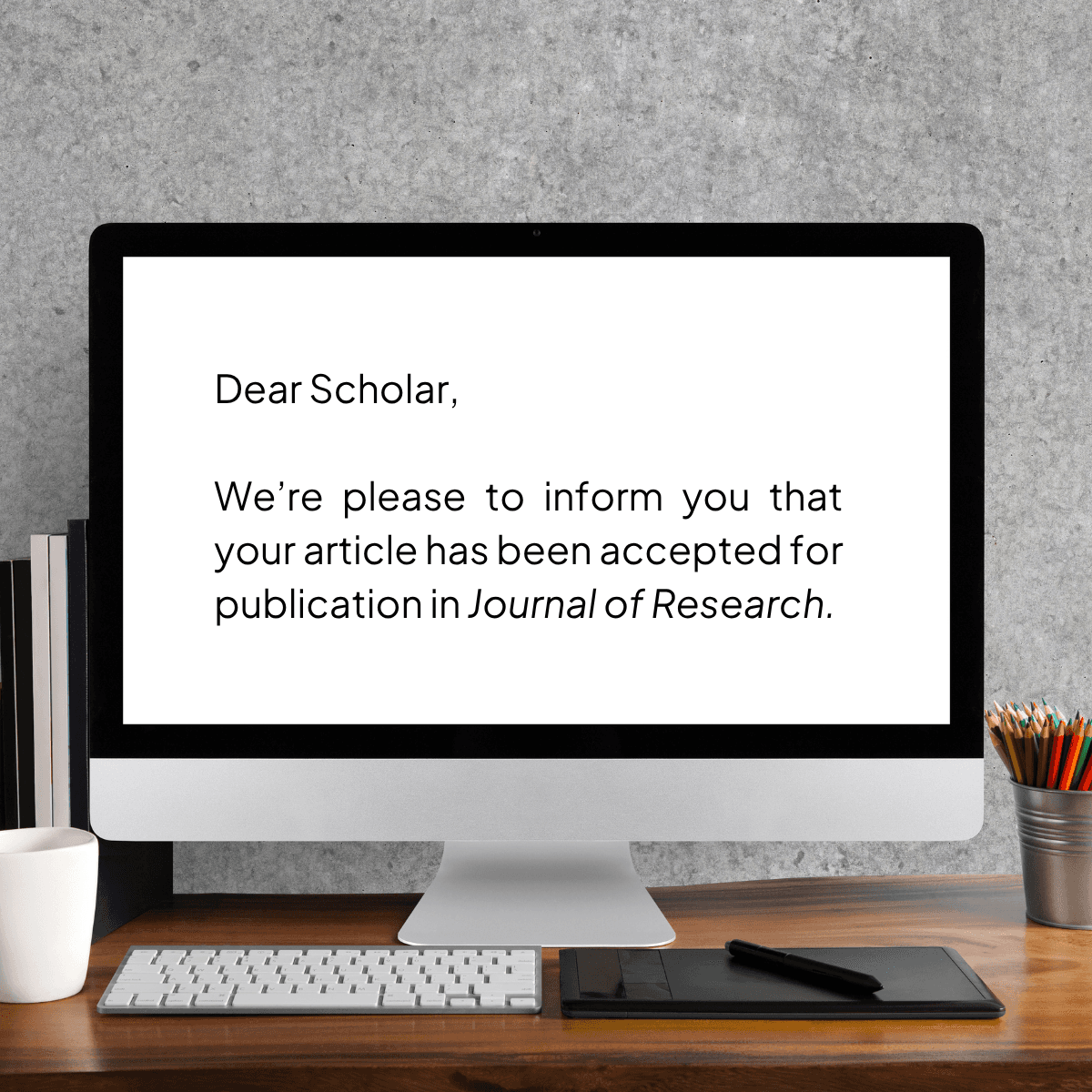
Once you've worked through the revisions and resubmitted, the waiting begins again. It can feel interminable. But one day, when you're in the middle of something else entirely and you've almost given up checking, an email will arrive. And if the work you've put in has done what it's supposed to do, that email will have the word accepted somewhere in its subject line.
The first time you see your name in print as the author of a scholarly article is no small thing. It is proof that you belong in this conversation and you should be proud of yourself for your efforts.
A Final Word
Publishing is hard. The system is imperfect, the timelines are brutal, and the gatekeeping is real. But the fundamentals are within your control: write something that fills a genuine gap, put it in front of the right audience, follow the rules of the process, and engage seriously with the people who give you feedback. None of this requires you to be the smartest person in your field. It requires you to be thorough, strategic, and tenacious—and those are skills you've been building since the moment you decided to pursue a PhD.
You've got this.
If you find yourself getting stuck at any point in this process, an academic editor like myself can help. Click here to contact me and learn about my services.